
by John Bozarjian | Oct 4, 2026 | Blog, Rodents
Quick answer: Mice leave small, pointed droppings (about the size of a grain of rice) and scratching sounds mostly at night, while rats leave larger, capsule-shaped droppings and heavier thumping noises. Mice tend to nest in insulation and wall voids, whereas rats...

by John Bozarjian | Sep 27, 2026 | Blog, Rodents
Quick answer: Pests invade homes in fall because outdoor temperatures drop and natural food sources disappear, pushing rodents, insects, and spiders to seek warmth and shelter indoors. Common fall invaders include mice, stink bugs, ladybugs, and spiders. Sealing entry...
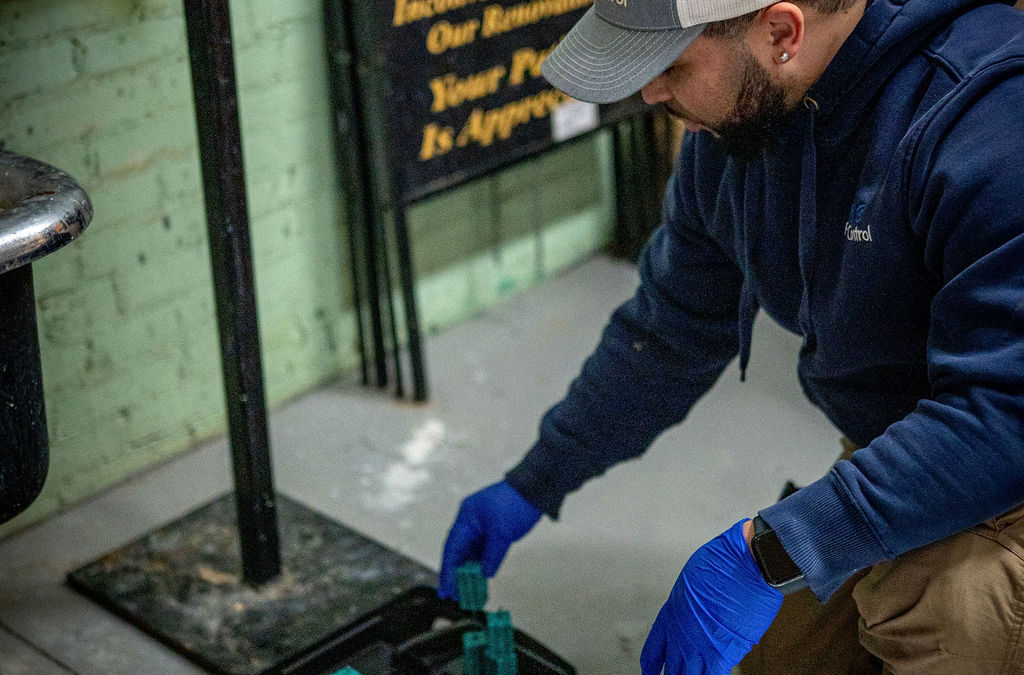
by John Bozarjian | Jul 19, 2026 | Blog, Rodents
As temperatures drop in fall, mice and other rodents actively seek warm shelter—and homes are their top target. The most effective way to prevent a rodent infestation is to seal entry points (any gap ¼ inch or larger), eliminate food sources, and inspect vulnerable...

by John Bozarjian | Jun 28, 2026 | Blog, Rodents
Mice are small (3–4 inches) with large ears, thin tails, and pointed snouts, while rats are bigger (7–10 inches) with thicker tails, smaller ears, and blunter faces. Mice are curious and explore new objects; rats are cautious and avoid them. This difference shapes...
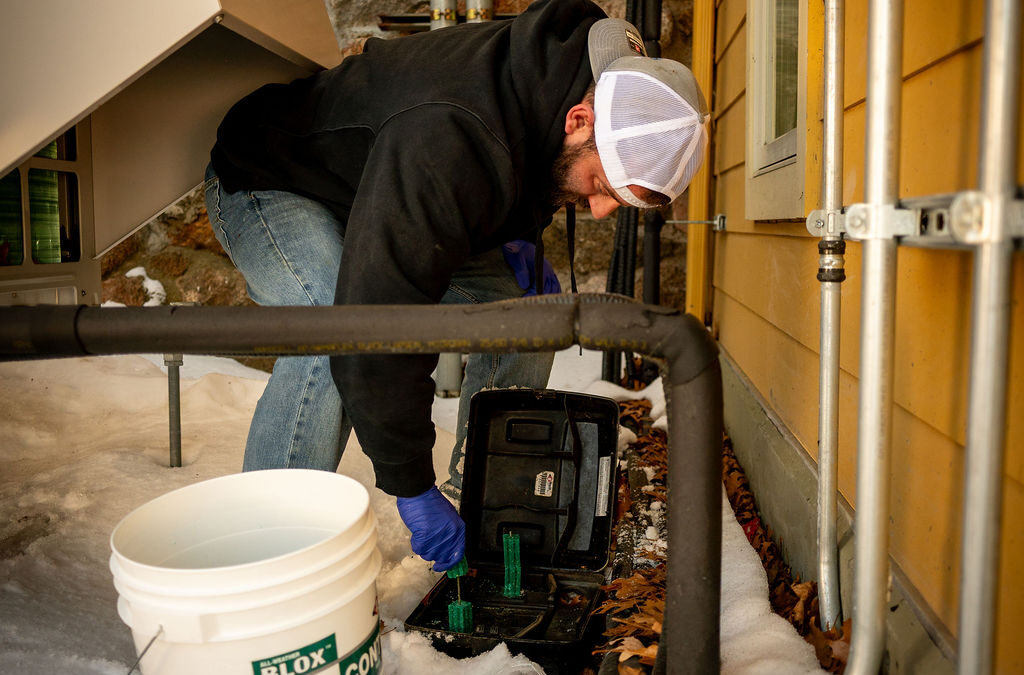
by John Bozarjian | Jun 14, 2026 | Blog, Rodents
Common signs of a rodent infestation include droppings near food sources, gnaw marks on baseboards, scratching sounds inside walls at night, and shredded nesting materials in hidden corners. If DIY traps aren’t reducing activity within 1–2 weeks, a licensed pest...

by John Bozarjian | Jan 11, 2026 | Blog, Rodents
As the New England foliage fades and the temperatures across the North Shore begin to plummet, we all start looking forward to the comforts of home. We pull out the heavy blankets, turn up the thermostat, and settle in for the season. Unfortunately, we aren’t...