
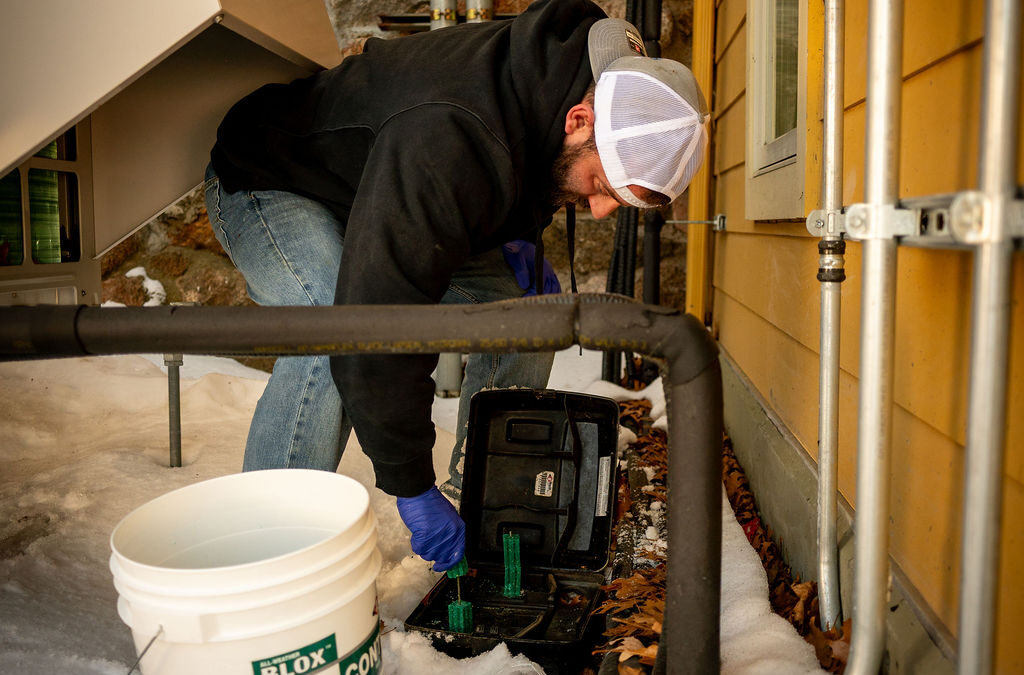
Common signs of a rodent infestation include droppings near food sources, gnaw marks on baseboards, scratching sounds inside walls at night, and shredded nesting materials in hidden corners. If DIY traps aren’t reducing activity within 1–2 weeks, a licensed pest control professional should be contacted.
Most homeowners discover a rodent problem the hard way — a half-eaten bag of rice, a strange scratching behind the drywall at 2 a.m., or droppings along the kitchen baseboard that weren’t there last week. By the time those signs appear, the infestation is rarely new.
Mice reproduce fast. A single female mouse can produce up to 60 offspring per year, according to the University of California’s Integrated Pest Management Program. Rats aren’t far behind. This means a small, manageable problem can escalate within weeks if left unchecked.
This guide covers the early warning signs that rodents have moved in, the genuine health risks they pose to your household, and a practical checklist for deciding when it’s time to stop relying on snap traps and call a licensed pest control professional instead.
What Are the Early Warning Signs of a Rat or Mouse Infestation?
Rodents are nocturnal, cautious, and skilled at staying out of sight. Most of the time, you’ll notice the evidence they leave behind long before you see the animal itself.
Droppings Near Food Sources or Along Walls
Rodent droppings are typically the first — and most reliable — sign of an infestation. Mouse droppings are small, dark, and pointed at both ends, roughly the size of a grain of rice. Rat droppings are larger, capsule-shaped, and blunter. Both tend to appear near food storage areas, inside cabinets, along walls, and behind appliances.
Fresh droppings are dark and moist. Older droppings are gray and crumble easily. The volume and freshness of droppings can help gauge how active the infestation currently is.
Gnaw Marks on Baseboards, Cables, and Food Packaging
Rodents gnaw constantly — not out of hunger alone, but to keep their continuously growing incisors worn down. Look for chew marks on wooden baseboards, plastic food containers, electrical cables, and even structural materials like insulation and drywall. Gnawed electrical wiring is a particular concern: the National Fire Protection Association has identified rodent damage to wiring as a contributing factor in house fires.
Scratching or Scurrying Sounds Inside Walls at Night
Hearing scratching, rustling, or light scurrying sounds within walls, ceilings, or under floors — especially after dark — is a strong indicator of rodent activity. Mice tend to produce lighter, quicker sounds. Rats are heavier and produce more distinct thumping or dragging noises. Attics and wall cavities near heat sources are particularly common nesting areas during colder months.
Nesting Materials in Concealed Corners
Rodents build nests from whatever soft materials they can access — shredded paper, fabric, insulation fibers, and cardboard. Common nesting locations include the backs of kitchen cabinets, inside wall cavities, beneath appliances, in cluttered storage areas, and inside vehicle engine compartments. Discovering a nest often signals that a breeding population is already established.
Grease Marks and Runways Along Walls
As rodents travel repeated paths between their nest and food sources, the oil and dirt from their fur leaves smudge marks along walls and baseboards. These dark, greasy streaks — sometimes called “runways” — often follow the same route night after night. Spotting a defined runway is a reliable sign of a well-established infestation.
What Health Risks Do Rodents Pose to Humans?
The presence of rodents in a home carries real, well-documented health risks — many of which are easy to underestimate.
Hantavirus Pulmonary Syndrome (HPS) is a serious respiratory disease transmitted through contact with infected rodent droppings, urine, or saliva. According to the Centers for Disease Control and Prevention (CDC), HPS has a mortality rate of approximately 38%. The deer mouse is the primary carrier in North America.
Salmonellosis is caused by Salmonella bacteria, which rodents can spread by contaminating food preparation surfaces and stored food. Symptoms include fever, diarrhea, and abdominal cramps, and the illness can be severe in young children and immunocompromised individuals.
Leptospirosis is a bacterial infection spread through contact with water or soil contaminated by rodent urine. The CDC notes that severe cases can lead to kidney damage, meningitis, liver failure, and respiratory complications.
Beyond infectious disease, rodent droppings and dander are potent allergens. Research published by the National Institute of Environmental Health Sciences found that mouse allergens are present in a significant proportion of homes across the United States — and that sensitization to mouse allergens is strongly linked to asthma exacerbation, particularly in children.
In short, a rodent infestation is a public health issue, not just a nuisance.
When Should You Stop DIY and Call a Pest Control Professional?
DIY traps and store-bought repellents work for isolated incidents — a single mouse that wandered in through a gap in the foundation, for example. When the signs point to something larger, the calculus changes.
Use this checklist to decide when professional intervention is warranted:
- DIY traps have been set for 1–2 weeks with ongoing activity. Continued signs of rodent presence after consistent trapping usually indicate a population too large for traps to address effectively.
- You’ve found a nest. A nest confirms a breeding population is established, which multiplies quickly without professional treatment.
- Multiple types of evidence are present simultaneously. Droppings, gnaw marks, sounds, and grease marks appearing together suggest a significant infestation rather than a solitary intruder.
- Droppings have appeared in multiple areas of the home. Wide distribution across rooms signals that rodents have established multiple travel routes — a sign of a larger colony.
- You have young children, elderly residents, or immunocompromised individuals in the home. The health stakes are higher in these households, and faster professional action is warranted.
- You’ve spotted gnawed electrical wiring or structural damage. This moves beyond pest control into property safety and requires immediate professional assessment.
- The infestation has returned after previous DIY treatment. Recurrence typically means the entry points haven’t been properly sealed and the root cause hasn’t been addressed.
A licensed pest control professional will not only treat the existing population — they’ll conduct a thorough property inspection, identify entry points, and recommend exclusion strategies to prevent re-entry.
Taking Action Before a Small Problem Becomes a Costly One
Rodent infestations rarely stay small for long. A pair of mice that moves in during autumn can become a colony of dozens by spring. The health risks are real, the property damage compounds quickly, and the longer an infestation continues, the harder — and more expensive — it becomes to resolve.
The practical approach: act at the first sign. Seal obvious entry points (gaps around pipes, cracks in foundations, spaces under doors). Store food in airtight containers. Keep clutter to a minimum in storage areas. And if the signs described above are already present in your home, don’t wait for the situation to worsen.
Spotted any of these signs? Don’t wait — contact [Your Company] today for a free rodent inspection and let a licensed professional assess what you’re actually dealing with.
Frequently Asked Questions About Rodent Infestations
How can I tell the difference between a mouse and a rat infestation?
The most reliable differentiators are dropping size and gnaw damage. Mouse droppings are approximately 3–6mm long; rat droppings range from 10–20mm. Rats also produce larger, more defined grease trails and tend to gnaw through harder materials like wood beams and concrete edges. Scratching sounds from rats are heavier and less rapid than those produced by mice.
How quickly can a rodent infestation spread through a home?
A female mouse reaches reproductive maturity at around six weeks and can produce a litter of 6–12 pups every three weeks. Under favorable conditions — warmth, available food, and limited predators — a small group of mice can grow into a sizable population within two to three months.
Are over-the-counter rodent repellents effective?
Most ultrasonic repellents have limited evidence supporting their effectiveness. The EPA has challenged some manufacturers’ claims, and independent studies have found that rodents habituate to ultrasonic devices quickly. Snap traps and sealed entry points remain more reliably effective for small-scale problems.
What diseases can I get from touching rodent droppings?
Direct contact with rodent droppings, urine, or nesting materials can expose you to hantavirus, salmonella, and leptospirosis, among others. Always wear gloves and a mask when cleaning areas with suspected rodent activity, and disinfect surfaces with a diluted bleach solution before wiping.
How do pest control professionals get rid of rodents?
Licensed pest control professionals typically use a combination of trapping, rodenticide placement (in tamper-resistant bait stations), and exclusion — physically sealing the entry points rodents use to access the structure. A thorough inspection is usually conducted first to map the extent of the infestation and identify high-activity areas.
How much does professional rodent control cost?
Costs vary by region, property size, and infestation severity. A basic inspection may be offered for free by some providers. Full treatment programs generally range from $150 to $500 or more, depending on the scope of work required. Many companies offer follow-up visits as part of a treatment package.