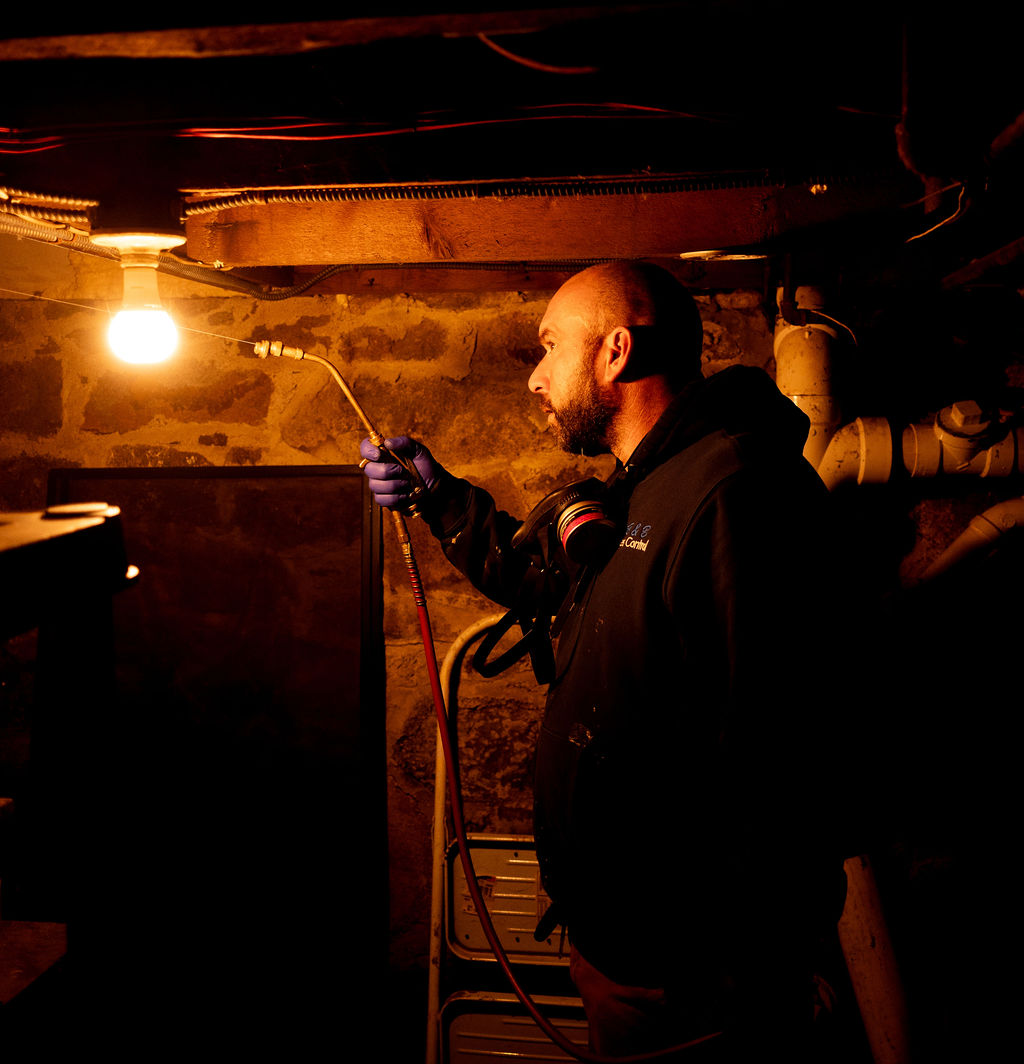
The earliest signs of a pest infestation include unusual droppings, gnaw marks, strange odors, damaged insulation, and nighttime sounds inside walls. Spotting even one of these indicators warrants a professional inspection—catching an infestation early can save homeowners thousands in structural repair costs.
Your home can be harboring hundreds of unwanted guests right now, and you’d never know it. Pests—from termites and rodents to cockroaches and carpenter ants—rarely announce their presence. They work quietly, methodically, and often in spaces you never check: inside wall cavities, beneath flooring, behind appliances, and deep within roof insulation.
By the time most homeowners notice something is wrong, the damage is already done. According to the National Pest Management Association (NPMA), U.S. homeowners spend more than $5 billion annually repairing termite damage alone—most of which isn’t covered by standard homeowner’s insurance. That figure doesn’t account for the structural damage caused by rodents, carpenter ants, or moisture-loving pests like silverfish and mold mites.
The good news? Pests leave clues. Learning to read those clues early—before a handful of insects becomes a full-scale infestation—is one of the smartest investments you can make as a homeowner. This guide walks you through the seven most telling warning signs that something is living in your home uninvited, and explains exactly why acting fast matters.
Warning Sign #1: Droppings or Urine Trails in Low-Traffic Areas
Pest droppings are one of the most reliable early indicators of an infestation. The challenge is knowing where to look and what you’re looking at.
Rodent droppings are typically dark, pellet-shaped, and clustered near food sources, along baseboards, or inside cupboards. A single mouse can produce between 50 and 75 droppings per day, which means even a small population leaves a significant trail quickly. Cockroach droppings resemble ground coffee or black pepper and tend to accumulate in warm, humid areas like under sinks, behind refrigerators, and inside pantry cabinets.
Bed bug droppings appear as tiny rust-colored stains on mattresses, headboards, and behind electrical outlets—often accompanied by shed exoskeletons or small blood spots on sheets.
What to do: Use a flashlight to inspect low-traffic zones at least once a month. Pay particular attention to the back of kitchen drawers, under large appliances, and along plumbing access points. If you find droppings, do not vacuum them immediately—photograph the area first, then contact a pest professional. Rodent droppings can carry hantavirus and should be handled with protective equipment.
Warning Sign #2: Gnaw Marks on Wood, Wiring, or Food Packaging
Rodents have continuously growing incisors, which means they gnaw constantly—not just to find food, but to keep their teeth filed down. This habit causes damage that goes far beyond a chewed cereal box.
Fresh gnaw marks are typically light in color and have a rough texture. Older marks darken as the exposed wood oxidizes. Finding these marks on structural beams, baseboards, or—most alarmingly—electrical wiring points to an active rodent presence. The U.S. Fire Administration estimates that rodents cause approximately 20% of undetermined house fires annually by chewing through insulation on electrical cables.
Carpenter ants and termites leave different types of structural damage. Termites hollow out wood from the inside, leaving a papery, honeycomb-like structure behind. Carpenter ants excavate smooth tunnels for nesting but don’t consume the wood—they push it out as frass (a fine, sawdust-like material) near nest entry points.
What to do: Run your hand along baseboards and look for soft or hollow-sounding wood. Check the area around electrical panels and behind large furniture. Any unexplained sawdust near wooden structures deserves immediate professional attention.
Warning Sign #3: Strange Sounds Inside Walls or Ceilings at Night
A scratching, scurrying, or gnawing sound coming from inside your walls after dark is one of the clearest signals that rodents have moved in. Rats and mice are predominantly nocturnal, which is why many homeowners first notice these sounds when the house is quiet.
Common sounds and their likely sources:
|
Sound |
Likely Pest |
Common Location |
|---|---|---|
|
Scratching/scurrying |
Mice or rats |
Walls, ceiling cavities |
|
Rustling or fluttering |
Birds or bats |
Roof space, chimney |
|
Clicking or tapping |
Termites |
Wooden beams, flooring |
|
Squeaking |
Young rodents |
Nesting areas in insulation |
Bat activity in roof spaces is also worth noting. Beyond the structural mess they create, bats can carry rabies and their guano (droppings) promotes the growth of Histoplasma capsulatum, a fungus that causes a potentially serious respiratory illness called histoplasmosis.
What to do: Note the time and location of any unusual sounds. This information helps a pest inspector narrow down species and nesting location quickly.
Warning Sign #4: Unexplained Damage to Fabric, Paper, or Stored Items
Moths, silverfish, and rodents all target materials found throughout the average home. The damage each pest leaves behind follows a recognizable pattern.
Clothes moths create irregular holes in natural fibers—wool, silk, cashmere, and down. Unlike food moths, clothes moths avoid light and prefer dark, undisturbed storage areas like the back of closets and inside vacuum-sealed bags that haven’t been opened in years. Silverfish, which thrive in humidity, feed on starches and cellulose: book bindings, wallpaper adhesive, cardboard boxes, and even paper currency.
Rodents shred soft materials to build nests. Finding torn insulation, shredded newspaper, or tattered fabric stuffed into a confined space almost always indicates an active nest nearby.
What to do: Inspect seasonal clothing and stored documents at least twice a year. Use sealed plastic containers rather than cardboard boxes for long-term storage, and keep humidity levels in storage areas below 50% where possible.
Warning Sign #5: Musty or Ammonia-Like Odors With No Clear Source
Smell is an underused diagnostic tool. Many pest infestations produce distinctive odors that differ from typical household smells.
A musky, sweet, or almond-like odor in rooms you rarely use can indicate a cockroach infestation. Cockroaches produce oleic acid as they decompose and also release aggregation pheromones that smell faintly musty. A strong ammonia smell—particularly in attics or ceiling spaces—often signals bat or rodent urine accumulation. Bed bugs, when present in large numbers, release a scent often described as overripe raspberries or almonds.
Termites are unique in that their infestations can produce a smell similar to mildew or mold, because moisture often accompanies their activity in wood.
What to do: Trust your instincts. If a room smells consistently off despite regular cleaning, schedule a professional inspection rather than masking the odor with air fresheners.
Warning Sign #6: Mud Tubes, Grease Marks, or Exterior Entry Points
Certain pests are predictable in the physical trails they leave. Learning to identify these markings turns a routine walk around your home into a diagnostic exercise.
Subterranean termites build pencil-width mud tubes along foundation walls, crawl spaces, and basement joists. These tubes protect the colony from open air as they travel between soil and food sources. Finding one is a near-certain sign of an active termite colony.
Rodents have poor eyesight and navigate by running along walls and baseboards, depositing grease and dirt from their fur in the process. These dark smear marks accumulate over time along frequently used runways. Entry points—gaps around plumbing, cracks in the foundation, or holes around utility lines—are often surrounded by these greasy stains.
Ants leave pheromone trails that, while invisible, direct others toward food sources in a visible marching line. Observing which direction ants are moving can help locate a nest.
What to do: Walk the full perimeter of your home at least once per season. Look for cracks wider than 6mm (1/4 inch), damaged caulking around windows and pipes, and any mud-colored structures along your foundation. Seal entry points with steel wool or caulk as an immediate stopgap while awaiting professional assessment.
Warning Sign #7: Visible Pest Sightings During Daylight Hours
Seeing one pest doesn’t automatically mean you have an infestation. Finding a single ant in your kitchen on a hot summer day is different from seeing a cockroach sprint across your kitchen floor at noon.
Most pests avoid human contact and are active when the house is quiet. When pests appear during the day—especially in open, well-lit areas—it typically means the population has grown large enough that competition for resources is pushing individuals into unfamiliar territory. Daytime cockroach sightings, for instance, are a strong indicator of overcrowding in the nest. Similarly, seeing a rat in daylight suggests the colony has grown significantly.
Swarming termites (called alates) are reproductive members of the colony that emerge during spring to establish new nests. Finding discarded wings near windowsills or door frames after a warm rain is one of the most urgent warning signs a homeowner can encounter.
What to do: A single daytime sighting warrants monitoring; repeated sightings warrant an immediate call to a licensed pest control professional.
Why a Professional Inspection Is Worth Every Dollar
Early detection saves money—often significant amounts. A professional pest inspection typically costs between $75 and $150 for a standard home. Contrast that with the average termite treatment cost of $3,000 to $8,000, or structural rodent damage that can run well into five figures depending on where the damage occurs.
Licensed pest inspectors carry thermal imaging equipment, moisture meters, and species-specific knowledge that the average homeowner simply can’t replicate with a flashlight and Google. They can also identify conditions that attract pests—moisture accumulation, landscaping too close to the foundation, gaps in roofing—and provide actionable remediation advice before an infestation takes hold.
Pest inspection cost vs. damage repair cost at a glance:
|
Scenario |
Estimated Cost |
|---|---|
|
Annual professional inspection |
$75–$150 |
|
Termite treatment (average home) |
$3,000–$8,000 |
|
Rodent damage to electrical wiring |
$1,000–$5,000+ |
|
Structural repairs from carpenter ants |
$3,000–$10,000 |
|
Bed bug heat treatment |
$1,000–$3,000 |
The math isn’t subtle. A single annual inspection is a rounding error compared to the cost of repairs most homeowners face after ignoring early warning signs.
Don’t Wait for Certainty—Act on Suspicion
Pest infestations operate on a growth curve. A colony of 50 rodents doesn’t stay at 50. A termite colony that starts with a few hundred workers can grow to 60,000 within three to five years. The earlier you intervene, the lower the colony count, the less structural damage sustained, and the simpler and cheaper the treatment.
If you’ve recognized even one of the warning signs in this post, that’s enough reason to book a professional inspection. You don’t need a trail of droppings, gnaw marks on every baseboard, and nocturnal scratching to justify calling someone. Pest professionals would far rather confirm your home is clean than discover a colony that has been growing undisturbed for years.
Schedule an inspection with a licensed pest control company in your area. Request a written report of any findings and a clear treatment plan with follow-up visits included. Ask about preventive measures specific to your home’s construction, location, and pest risk profile.
Your home is likely your largest asset. Protecting it from pests is one of the lowest-cost, highest-return maintenance decisions you can make.
Frequently Asked Questions About Pest Infestations
What are the first signs of a pest infestation in a home?
The earliest signs typically include droppings in low-traffic areas, gnaw marks on wood or food packaging, unusual odors, and nighttime sounds inside walls. Spotting any one of these indicators—even without a visible pest sighting—is sufficient reason to schedule a professional pest inspection.
How much does a home pest inspection cost in the United States?
A standard residential pest inspection in the U.S. typically costs between $75 and $150, depending on home size and location. Some companies offer free inspections as part of a treatment quote. Specialized inspections (for termites specifically, or in conjunction with a real estate transaction) may cost slightly more.
Can a small pest problem go away on its own without treatment?
Rarely. Most pest colonies grow over time. Mice can reproduce every three weeks; a single female cockroach can produce up to 300 offspring in her lifetime. Without intervention—removing food sources, sealing entry points, and professional treatment—infestations almost always expand rather than self-resolve.
What pests cause the most structural damage to homes?
Termites cause the most widespread structural damage in the U.S., accounting for more than $5 billion in repair costs annually (NPMA). Carpenter ants, powder post beetles, and wood-boring beetles also cause significant structural harm. Rodents pose a different type of damage risk by chewing through electrical wiring, which is a documented cause of house fires.
How do I know if I have termites or carpenter ants?
Both pests damage wood, but the patterns differ. Termite-damaged wood has a hollow, honeycombed interior and is often associated with mud tubes along the foundation. Carpenter ants excavate smooth, clean tunnels and push frass (sawdust-like material) out of small holes near the nest. A professional inspection can distinguish between the two definitively.
How often should a homeowner schedule a pest inspection?
Most pest control professionals recommend annual inspections for the average home. Homes in regions with high termite pressure, persistent moisture issues, or a history of infestations may benefit from semi-annual inspections. Homes being bought or sold should always include a dedicated pest inspection as part of due diligence.
Are pest infestations covered by homeowner’s insurance?
In most cases, no. Standard homeowner’s insurance policies treat pest damage as a maintenance issue, not a sudden or accidental loss. Termite damage, rodent damage, and associated repairs are typically excluded. This makes prevention and early detection financially critical for homeowners.