Nobody wants uninvited guests scurrying across their kitchen counter at midnight or buzzing around their bedroom while they’re trying to sleep. Yet millions of homeowners deal with pest problems every year, often spending hundreds of dollars on emergency exterminator visits that could have been avoided with proper prevention.
The good news? Most pest infestations are entirely preventable with the right knowledge and consistent habits. Rather than waiting until you spot that first cockroach or mouse dropping, taking proactive steps throughout the year will keep your home comfortable, clean, and pest-free.
This comprehensive guide covers everything you need to know about year-round pest prevention, from understanding seasonal pest patterns to implementing effective prevention strategies that work. You’ll learn which pests are most active during different seasons, how to identify potential problem areas in your home, and practical steps you can take today to protect your space.
Understanding Seasonal Pest Patterns
Different pests become active at various times throughout the year, making it essential to adjust your prevention strategies accordingly. Spring brings emerging insects like ants and flies as temperatures warm up. Summer sees peak activity for most pests, including mosquitoes, wasps, and spiders seeking cool indoor spaces.
Fall presents unique challenges as rodents begin seeking warm winter shelter, often making their way into homes through small gaps and openings. Cockroaches also become more active indoors during cooler months, drawn to the warmth and food sources your home provides.
Winter doesn’t mean pest-free living. Many insects and rodents that found entry points during fall months remain active indoors, continuing to reproduce and establish colonies throughout the cold season.
Spring Prevention Strategies
Deep Clean and Declutter
Start your pest prevention efforts with a thorough spring cleaning. Remove clutter from basements, attics, and storage areas where pests often hide and nest. Vacuum thoroughly, paying special attention to corners, baseboards, and areas behind furniture where crumbs and debris accumulate.
Clean and organize pantry areas, checking for signs of pantry pests like grain beetles or moths. Store dry goods in airtight containers made of glass or heavy plastic that pests cannot chew through.
Seal Entry Points
Walk around your home’s exterior and interior, looking for gaps, cracks, and holes that could serve as entry points. Use caulk to seal small gaps around windows, doors, and utility penetrations. Install or repair weatherstripping around doors and windows.
Pay special attention to areas where utilities enter your home, including cable lines, phone lines, and plumbing. Even tiny gaps can provide entry for determined pests.
Address Moisture Issues
Many pests are attracted to moisture, making spring the perfect time to address water problems. Fix leaky faucets, repair damaged gutters, and ensure proper drainage around your home’s foundation.
Check for and repair any roof damage that could allow water intrusion. Improve ventilation in humid areas like basements, crawl spaces, and bathrooms to reduce moisture levels that attract pests.
Summer Prevention Tactics
Maintain Your Landscape
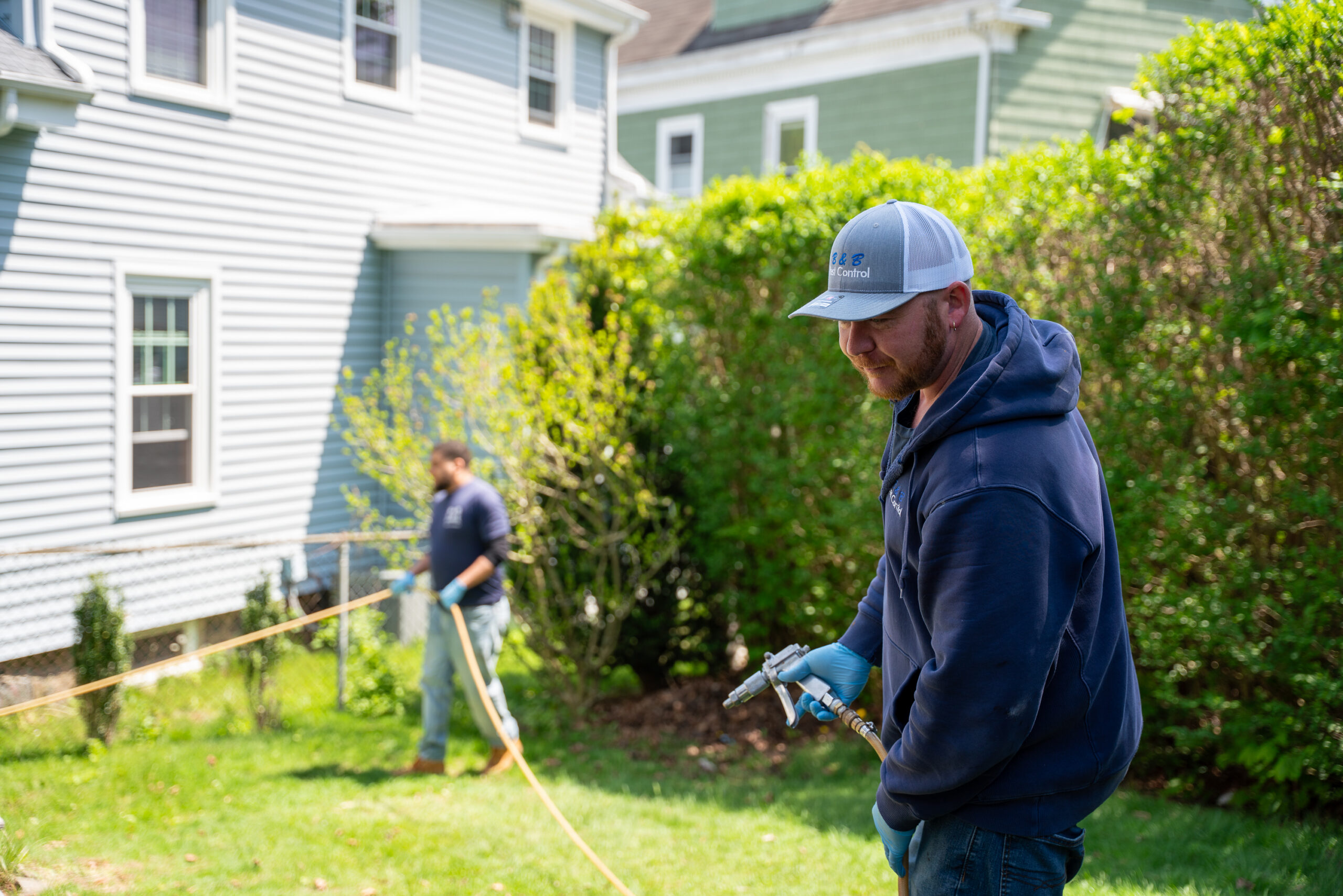
Keep grass cut short and trim bushes and trees away from your home’s exterior. Overgrown vegetation provides shelter and pathways for pests to reach your home.
Remove standing water from outdoor containers, including flower pots, bird baths, and clogged gutters. Even small amounts of standing water can become breeding grounds for mosquitoes.
Store firewood at least 20 feet from your home and keep it elevated off the ground to prevent it from becoming a habitat for termites, ants, and other wood-destroying pests.
Kitchen and Food Storage
Summer’s warm temperatures can accelerate pest reproduction, making proper food storage crucial. Clean up spills and crumbs immediately, and never leave dirty dishes sitting overnight.
Store ripe fruits in the refrigerator rather than on countertops, and dispose of overripe produce quickly. Take garbage out regularly and keep bins clean and tightly sealed.
Wipe down counters and sweep floors daily, paying attention to areas around appliances where crumbs often accumulate.
Outdoor Dining Areas
If you enjoy outdoor entertaining, clean outdoor dining areas immediately after use. Store outdoor furniture cushions in sealed containers when not in use, and keep outdoor cooking areas clean and free of food residue.
Consider using fans during outdoor gatherings, as many flying insects have difficulty navigating in moving air.
Fall Preparation Methods
Exterior Maintenance
Fall represents your last opportunity to pest-proof your home’s exterior before winter. Inspect and repair screens on windows, doors, and vents. Replace damaged screens and ensure they fit tightly without gaps.
Check foundation areas for new cracks that may have developed during summer, and seal them promptly. Install door sweeps on exterior doors to eliminate gaps at floor level.
Clean gutters and ensure downspouts direct water away from your foundation. Clogged gutters can create moisture problems that attract pests.
Indoor Preparations
As outdoor temperatures drop, pests will seek warm indoor spaces. Inspect areas where you store seasonal items like holiday decorations, ensuring boxes are sealed and stored in clean, dry areas.
Check less-frequently used areas of your home, including guest rooms, basements, and attics, for signs of pest activity. Early detection allows for easier management before populations grow.
Replace weatherstripping and caulking that has deteriorated over the summer months, focusing on areas most likely to be entry points for cold-seeking pests.
Winter Maintenance Routines
Monitor Indoor Conditions
Winter heating can create dry conditions that drive some pests to seek moisture in your home. Maintain proper humidity levels while ensuring adequate ventilation to prevent condensation problems.
Continue regular cleaning routines even when windows remain closed, as indoor air circulation is limited during winter months. Vacuum regularly and clean up food debris immediately.
Storage Area Inspections
Check stored items periodically for signs of pest damage or activity. Rodents often damage stored clothing, papers, and seasonal decorations during winter months.
Rotate stored food items and check expiration dates regularly. Properly stored foods are less likely to attract pantry pests during winter months.
Heating System Maintenance
Have heating systems inspected and maintained regularly, as pests sometimes use ductwork and utility areas for shelter and travel routes. Ensure all vent covers are secure and undamaged.
Natural Prevention Methods
Many homeowners prefer natural pest prevention methods that don’t rely on chemical treatments. Essential oils like peppermint, tea tree, and eucalyptus can serve as natural deterrents for many common household pests.
Diatomaceous earth, a natural powder made from fossilized algae, can be effective against crawling insects when applied in areas where they travel. However, use only food-grade diatomaceous earth and follow safety guidelines for application.
Beneficial insects like ladybugs and praying mantises can help control garden pests naturally, reducing the overall pest pressure around your home.
When to Call Professionals
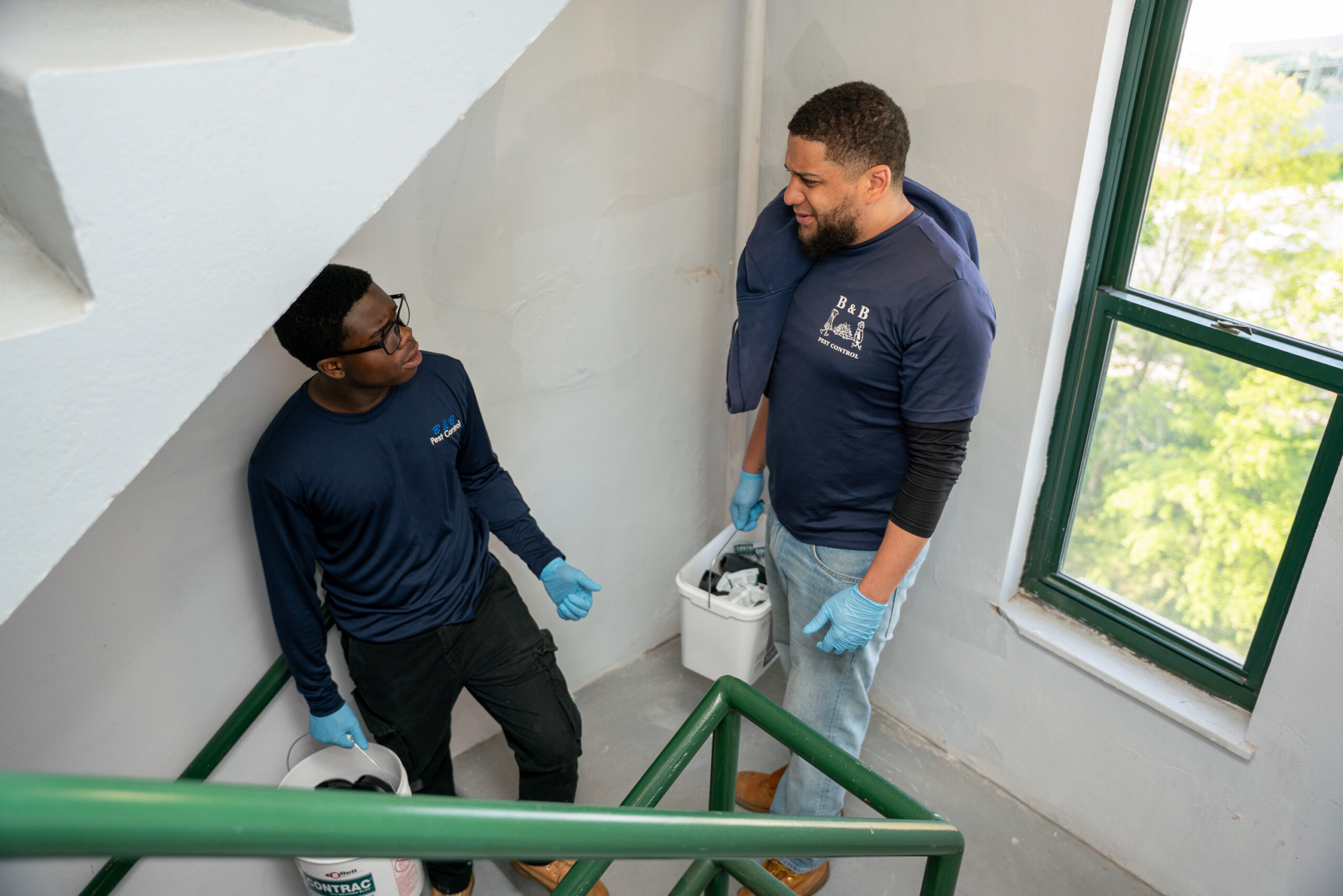
While prevention is always preferable to treatment, some situations require professional intervention. Contact a licensed pest control professional if you notice signs of termite activity, discover a large infestation, or encounter pests that pose health risks.
Professional pest control services can provide targeted treatments and ongoing monitoring that may be more effective than DIY approaches for serious infestations. Many companies also offer preventive treatments that can supplement your own prevention efforts.
Creating Your Year-Round Prevention Schedule
Develop a monthly checklist of pest prevention tasks to ensure consistent protection throughout the year. Include seasonal tasks like gutter cleaning and weatherproofing alongside regular activities like deep cleaning and inspection routines.
Set reminders for seasonal maintenance tasks, and keep records of completed activities to track your prevention efforts over time. This documentation can help you identify patterns and adjust your strategies as needed.
Consider creating a home maintenance calendar that includes pest prevention alongside other routine maintenance tasks, making it easier to stay consistent with your efforts.
Protecting Your Home Investment
Effective pest prevention protects more than just your comfort and peace of mind. Many pests can cause significant structural damage to homes over time, making prevention a wise financial investment.
Termites alone cause billions of dollars in property damage annually, much of which could be prevented with proper prevention strategies. Regular inspection and maintenance can help you identify potential problems before they become expensive repairs.
Insurance policies typically don’t cover pest-related damage, making prevention your primary protection against costly pest-related repairs and replacements.
Year-round pest prevention requires consistency and attention to detail, but the effort pays off in reduced pest encounters, lower treatment costs, and better protection for your home. By implementing these strategies throughout the year and adjusting your approach based on seasonal pest patterns, you can maintain a comfortable, pest-free living environment.
Start with the current season and gradually implement additional prevention strategies as you move through the year. Small, consistent efforts are more effective than sporadic intensive treatments, and the peace of mind that comes from proactive pest prevention is invaluable.